.jpg)
Embroidery styles from around the world: Brazil, Japan, Hungary
- ishaanvi5
- Nov 2, 2021
- 2 min read
Updated: Dec 3, 2021
1. Japanese Sashiko embroidery
Sashiko embroidery originates in the Edo period (1615 – 1868), and was practiced by fishermen and farmers on their garments (which were often handed down generations as heirlooms). Historically, Sashiko was created in darker hues, most commonly indigo. The Japanese word ‘Sashiko’ translates to ‘little stabs’, which describes the needlework techniques unique to the style. Sashiko embroidery features cultural motifs such as dragons, mythological figures, and elemental symbols on uniforms, or on a smaller scale, generic geometric patterns of nature and animals are common to Sashiko. This embroidery style is also used for mending purposes, which helps in the sustainability and longevity of garments.
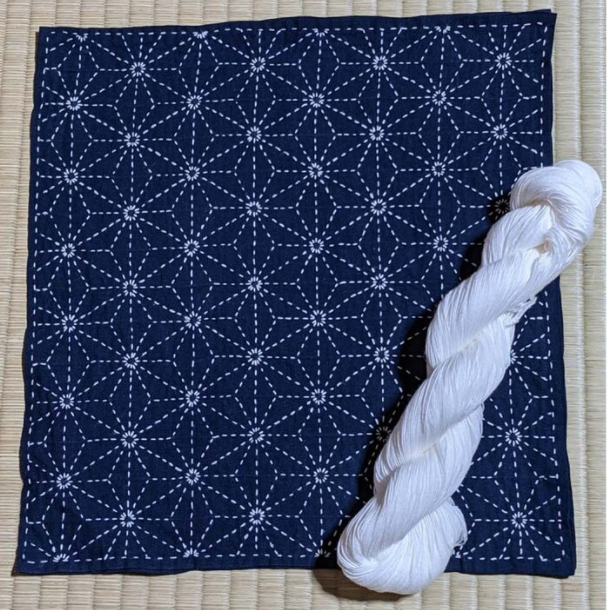
Image courtesy: https://japanobjects.com/features/sashiko
2. Hungarian Redwork embroidery
Hungarian redwork, as the name suggests, is distinguished by its bold, bright and thick red coloured pattern work. Redwork is a freehand embroidery style that most commonly combines chain stitch and buttonhole stitch. This Hungarian embroidery style was originally practiced by ‘peasants’, but slowly spread up the socioeconomic ladder. The embroidery is generally geometric, floral and repetitive. While Hungarian embroidery isn't always in red (but is always monochrome), red is the most frequently used colour.

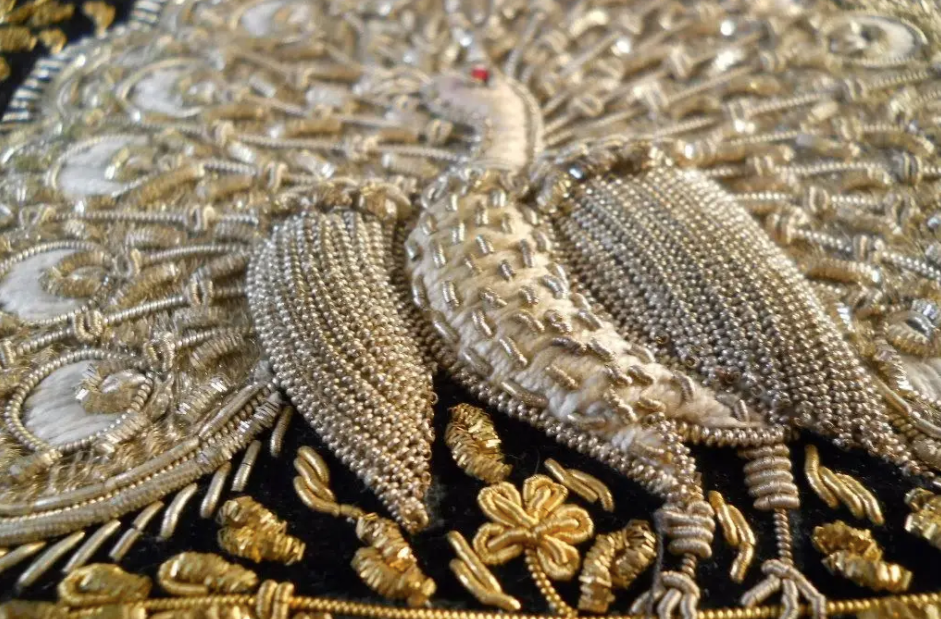
3. Brazilian Dimensional embroidery
Introduced by Elisa Hirsch Maia in the 1960’s, this embroidery style was born out of boredom of 2 dimensional embroidery. Making use of rayon thread (which is popular in Brazil), this style includes the use of metal twists and stitches such as the bullion, buttonhole stitch, the french knot and the drizzle stitch, all of which help provide an elevation to the art. Dimensional embroidery is used most commonly on garments and household items, and involves motifs of nature (birds, flowers and insects).

Image courtesy: http://rosaliewakefield-millefiori.blogspot.com/
If this interested you, check out my blog post titled- Indian Embroidery Styles
Sources and further reading:


Comments