.jpg)
Embroidery as therapy: the psychology and World War history behind it
- ishaanvi5
- Sep 18, 2021
- 2 min read
By: Ishaanvi Shah
A stitch in time saves nine is an old English proverb that stresses on the importance of not procrastinating (which is good advice that I'll keep in mind for later), but during the lockdown the proverb has taken on a literal meaning for me.
The COVID-19 pandemic has brought with it a range of mental health repercussions for people of all ages. Grief, anxiety, fear, uncertainty, brain-fog, social isolation, increased screen time, and chronic fatigue being just a handful of them. I realise that this is an off putting and dreary introduction, but stick with me.
The bridge between embroidery and mental health is not a new one, in fact, it has a very significant historical role. Shell shock is a phrase that was coined during the first world war to portray the PTSD that soldiers suffered from. They had to endure months, and sometimes years of convalescence, where they picked up new skills that, in many instances, became their lifelines.
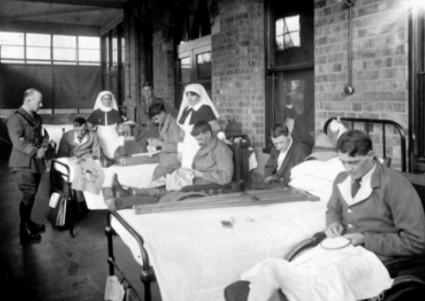
Image courtesy Alexander Turnbull Library, Wellington, New Zealand.
Embroidery, or ‘fancy work’ popularised among veterans (primarily in Britain, Australia and New Zealand) to such a degree, that an organisation called the Disabled Soldiers’ Embroidery Industry (1918-1955) was founded to aid their return to the workforce by producing textiles.

Hand embroidery by: Lance Corporal Alfred Briggs (20 Battalion) Photograph: Australian War Memorial Collection
Now, it is scientifically accepted that embroidery helps in lowering levels of cortisol, which is a hormone that is associated with stress, and in turn releases neurotransmitters that bring positive emotions. The concept of connecting with previously repressed feelings, accessing your subconscious and healing psychologically originated in the 18th century from Margaret Naumburg, the "mother of art therapy" (who took after the psychoanalytic theory).
If you are at all artistically inclined, looking for a diversion from online work, or you feel weighed down by the pandemic, consider picking up a needle and thread.
Sources / Further reading

Comments